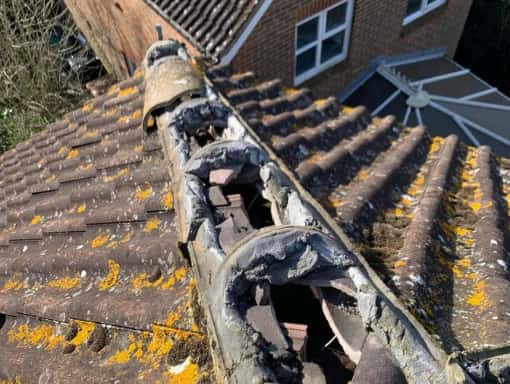
When a roof begins to show its age, replacement can seem like the obvious next step. Weathered tiles, occasional leaks or previous repairs may give the impression that the entire roofing system has reached the end of its useful life. In reality, the age of a roof alone does not determine whether it needs replacing.
Many older roofs can continue protecting a property effectively when their main structure remains sound and areas of deterioration can be addressed through appropriate repairs and maintenance. For homeowners in Dover, Kent, a professional roof assessment can help distinguish between normal ageing, repairable defects and genuine signs of widespread roof failure.
At Dover Roofers, we believe the condition of the complete roofing system should determine what work is required rather than making assumptions based solely on age.
Roof Age Is Only Part of the Picture
Every roof ages differently. Two roofs installed at approximately the same time can be in considerably different condition years later.
Several factors influence how well a roof performs over time, including:
- The quality of the original installation
- The roofing materials used
- Previous maintenance
- Exposure to weather
- The condition of flashing and roof junctions
- The performance of the underlying structure
- How promptly previous defects have been repaired
An older roof that has been properly maintained may remain perfectly serviceable, while another roof could develop more significant problems much sooner.
What Does a Weathered Roof Actually Tell You?
A roof does not need to look new to function correctly.
Surface weathering, slight colour changes and other signs of age can naturally develop without compromising the roof’s ability to protect the property.
The important distinction is between cosmetic ageing and functional deterioration.
Cosmetic Ageing
Changes in appearance do not necessarily indicate that the roofing system is failing.
A roof may look visibly older while its tiles, underlay, flashing and structural components continue performing effectively.
Functional Deterioration
Greater attention is required when ageing begins affecting the roof’s ability to remain secure and weather-resistant.
This may include:
- Repeated tile failures
- Persistent water ingress
- Widespread cracking
- Deteriorated flashing
- Movement within the roofline
- Damage to underlying materials
A professional inspection helps establish which type of deterioration is present.
Localised Damage Can Often Be Repaired
One of the strongest reasons an older roof may not require replacement is that damage can sometimes be confined to a particular area.
Slipped or Broken Tiles
A small number of damaged tiles does not automatically mean that every tile needs replacing.
If surrounding materials remain sound, replacing the affected tiles and checking their supporting components may provide an effective solution.
Local Flashing Failure
Flashing is used around vulnerable roof junctions to prevent water ingress. If one section deteriorates while the surrounding roof remains serviceable, targeted flashing repairs may resolve the problem.
Isolated Weather Damage
Wind and adverse weather can occasionally damage individual sections of an otherwise dependable roof.
In these circumstances, professional repairs may restore the affected area without requiring unnecessary work elsewhere.
A Roof Leak Does Not Automatically Mean the Roof Has Failed
Leaks are understandably concerning, particularly when the roof is already older.
However, water entering the property does not automatically indicate complete roof failure.
A Leak May Come From One Specific Defect
Possible sources include:
- A cracked tile
- A slipped slate
- Deteriorated flashing
- A vulnerable roof junction
- Localised underlay damage
- A defect around a roof penetration
The key is locating the actual entry point.
Water can travel along roofing components before becoming visible inside the property, so the position of an internal damp patch does not necessarily reveal where the external defect is located.
The Condition Beneath the Roof Covering Is Important
Tiles and slates form the visible part of the roof, but they are supported by several other components.
When deciding whether an older roof remains repairable, these underlying materials need to be considered.
Underlay
Underlay provides additional protection beneath the main roof covering. Localised deterioration may sometimes be addressed as part of a repair, while extensive failure across the roof could indicate the need for more comprehensive work.
Battens
Battens support and provide fixing points for tiles or slates. Their condition can help determine whether individual sections can be repaired reliably.
Structural Timbers
The underlying roof structure is particularly significant. If the main supporting timbers remain sound and stable, an older roof may still have considerable serviceable life when appropriate maintenance is carried out.
Previous Repairs Do Not Automatically Mean Replacement Is Necessary
It is normal for an older roof to have received some repairs during its lifetime.
The presence of previous repair work is therefore not necessarily a reason to replace the entire roof.
What matters is the pattern.
Occasional Repairs Are Different From Continual Failure
An older roof that has required several unrelated repairs over many years may still be performing well overall.
Greater concern is warranted when:
- Repairs are becoming increasingly frequent
- The same problems repeatedly return
- Leaks appear in multiple locations
- Large numbers of tiles are deteriorating
- Previously sound sections are beginning to fail
This pattern can indicate that deterioration is becoming widespread rather than remaining localised.
Maintenance Can Extend the Useful Life of an Older Roof
Preventative attention can make a substantial difference to how an ageing roof performs.
Minor defects are generally easier to manage when identified before they allow moisture to affect surrounding materials.
Useful maintenance can include:
- Replacing damaged tiles
- Securing loose roofing components
- Maintaining flashing
- Addressing deteriorated roof junctions
- Keeping drainage systems functioning effectively
- Investigating signs of water ingress promptly
The objective is not simply to make an old roof last indefinitely, but to avoid replacing a serviceable roofing system unnecessarily.
When Does Replacement Become More Appropriate?
Although many older roofs remain repairable, there are circumstances where deterioration becomes too extensive for repeated local work to provide a dependable result.
Signs of Wider Roof Failure Can Include:
- Widespread tile or slate deterioration
- Recurring leaks throughout different sections
- Extensive underlay failure
- Significant deterioration of supporting materials
- Sagging or visible changes to the roofline
- Multiple components failing at the same time
- Repairs becoming increasingly frequent and ineffective
When several of these symptoms occur together, the problem may involve the roofing system as a whole rather than a handful of isolated defects.
Why Repeated Patching Is Not the Answer
Keeping an older roof does not mean continually applying temporary fixes.
There is an important difference between professional localised repair and repeatedly patching symptoms without investigating their cause.
If a tile repeatedly slips, for example, simply putting it back into position may not resolve deteriorated fixings or battens underneath.
Likewise, repeatedly treating an internal leak without locating its external source will not provide a reliable solution.
Effective repairs should address why the problem developed in the first place.
Professional Assessment Helps Avoid Unnecessary Replacement
Determining whether an older roof should be repaired or replaced requires an assessment of its overall condition.
A professional roofer can consider:
- The extent and distribution of deterioration
- The condition of tiles or slates
- Flashing and roof junctions
- Underlay and battens
- Structural stability
- Signs of historic water ingress
- Previous repair areas
- Whether defects are isolated or widespread
This provides a much more reliable basis for deciding what work is actually necessary.
Look at the Whole Roof, Not Just Its Age
Homeowners can sometimes become concerned simply because they know their roof has been in place for many years.
Age certainly deserves consideration, but it should not override the evidence provided by the roof’s actual condition.
A professional assessment might find that an ageing roof remains fundamentally sound and requires only several targeted repairs. Equally, an apparently reasonable roof might contain hidden deterioration that makes more extensive work appropriate.
The decision should therefore be based on condition rather than assumptions.
Maintaining Older Roofs in Dover
For homeowners in Dover, Kent, dealing with roofing concerns early provides the best opportunity to preserve a roof that remains serviceable.
Signs worth arranging an inspection for include:
- Missing or damaged tiles
- Damp patches or staining indoors
- Changes around flashing
- Roofing debris appearing around the property
- Visible movement or unevenness
- Previously repaired areas deteriorating again
These symptoms do not automatically mean replacement is necessary, but they do justify professional investigation.
How Dover Roofers Can Help
At Dover Roofers, we take a practical approach to older roofing systems. Our focus is on identifying the cause and extent of deterioration before determining the appropriate work.
Where localised repairs remain suitable, professional attention can help restore weather protection while preserving serviceable sections of the existing roof.
Where deterioration is more extensive, a thorough assessment provides homeowners with a clearer understanding of why broader roofing work may be necessary.
The objective is always to provide a solution appropriate to the actual condition of the property.
Conclusion
An old roof does not always need replacing. Ageing is inevitable, but it is the extent and nature of deterioration that ultimately determine whether repair or replacement is appropriate.
When structural components remain sound and problems are confined to particular areas, targeted professional repairs can often help an older roof continue performing effectively. Replacement becomes a stronger consideration when deterioration is widespread, leaks continually recur or several important components are failing simultaneously.
If you have concerns about an ageing roof in Dover, Kent, Dover Roofers can carry out a professional assessment, identify the underlying problems and advise on an appropriate solution based on the condition of your roof rather than its age alone.
Call us on: 01304 796899
Click here to find out more about Dover Roofers
Click here to complete our contact form and see how we can help with your roofing needs.