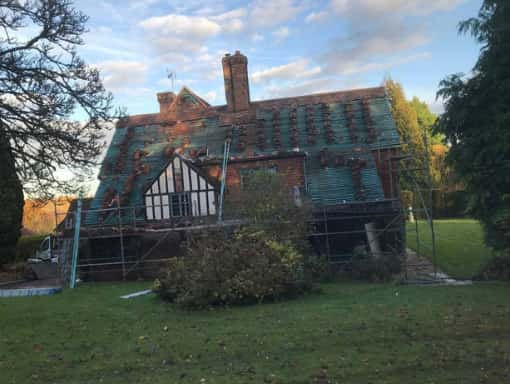
The edges of a roof are among the most exposed parts of any property. In Dover, Kent, where homes experience strong coastal winds and frequent rain, roof edges are under constant environmental pressure. When deterioration begins in these areas, it can quickly spread to other parts of the roof structure if not addressed.
At Dover Roofers, we regularly inspect and repair damaged roof edges across Dover. Understanding the common causes of deterioration helps homeowners act early and prevent more serious structural problems.
Constant Exposure to Wind and Rain
Roof edges, including eaves and verges, sit at the boundary between the roof covering and the external walls. These areas receive direct impact from wind-driven rain.
In Dover, coastal conditions can accelerate wear. Repeated exposure to moisture may lead to:
- Loosening of tiles at the verge
- Decay of timber fascia boards
- Erosion of mortar at the gable edge
Over time, this exposure weakens fixings and allows water to penetrate beneath the surface.
Failing Mortar at the Verge
Many traditional roofs rely on mortar bedding along the gable edge to secure tiles. As mortar ages, it can crack and crumble due to:
- Temperature fluctuations
- Freeze-thaw cycles
- Natural settlement
Once the mortar begins to break down, tiles at the edge become vulnerable to movement and wind uplift. If left unchecked, this can lead to dislodged tiles and further edge instability.
Deteriorating Fascias and Soffits
Fascia boards play a critical role in supporting guttering and protecting the rafter ends. When fascias begin to rot or weaken, the structural integrity of the roof edge can be compromised.
Common contributing factors include:
- Persistent water overflow from blocked gutters
- Poor ventilation
- Age-related timber decay
Damaged fascias can allow moisture to reach the underlying roof structure, increasing the risk of rot.
Gutter Problems and Water Overflow
Blocked or poorly aligned gutters are a frequent cause of edge deterioration. When water cannot drain correctly, it may overflow onto the fascia and roofline.
Repeated overflow in Dover, Kent can saturate timber components and weaken fixings. Over time, this leads to visible deterioration along the roof edge.
Inadequate Installation or Fixings
Roof edges rely on secure mechanical fixings and precise installation. If tiles, verge systems or edge trims are not properly secured, wind pressure can gradually loosen components.
Even small amounts of movement at the edge can allow water ingress and accelerate deterioration.
Natural Ageing of Roofing Materials
All roofing materials have a lifespan. Over decades, edge components may weaken due to natural ageing. Mortar can lose its strength, timber may dry and split, and metal trims can corrode.
Routine inspection helps identify ageing components before they fail completely.
Why Early Intervention Is Important
Roof edge issues often begin subtly — minor cracking, slight tile movement or small areas of timber softness. Addressing these early signs prevents more extensive damage to the roof structure.
At Dover Roofers, we carry out detailed inspections across Dover, Kent to assess verge stability, fascia condition and overall edge performance. Timely repairs help preserve the integrity of the entire roof system.
Conclusion
Roof edges deteriorate due to constant weather exposure, failing mortar, weakened fascias, gutter issues and natural ageing. In coastal locations such as Dover, Kent, these factors can combine to accelerate wear if not properly maintained.
Protecting the roof edge is essential for safeguarding the entire roofing structure. If you have noticed signs of deterioration along your roofline, Dover Roofers can provide a professional assessment and practical repair solutions to restore strength and long-term reliability.
Call us on: 01304 796899
Click here to find out more about Dover Roofers
Click here to complete our contact form and see how we can help with your roofing needs.